
Emergencies come without warning. Whether it’s an accident, sudden chest pain, breathing difficulty, unconsciousness, or bleeding — every second matters.
Swastik Hospital’s Emergency & Trauma Care in Miraj is designed to handle such critical moments with speed, accuracy, and compassion.
Here’s a complete guide to understanding what really happens inside an emergency room — from the moment a patient steps in to the lifesaving treatment that follows.
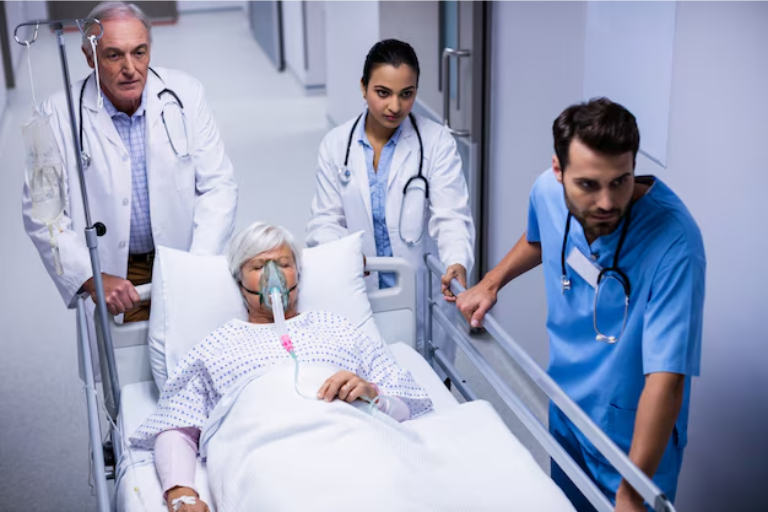
1. First Response Begins Before the Patient Enters
Most emergencies start with panic. But the first few minutes are crucial.
Swastik Hospital trains its staff to act quickly:
✔ Immediate triage
✔ Quick assessment of breathing and pulse
✔ Support for unconscious or bleeding patients
✔ Emergency oxygen or IV access if needed
This prevents the situation from worsening even before formal treatment begins.
2. What Happens When You Arrive at the ER? (Triage Process)
Not all emergencies are equal.
A patient with severe breathing difficulty is treated before someone with minor injury.
This process is called Triage, where the medical team quickly checks:
Vital signs (BP, pulse, oxygen)
Level of consciousness
Pain and bleeding
Injury severity
This ensures the sickest patients get immediate attention.
3. Quick Diagnostic Support
Swastik Hospital has on-site diagnostics, allowing the ER team to take fast decisions.
X-Ray for fractures
ECG for heart issues
Blood tests
Ultrasound for internal injuries
CT scan (if available / referred)
These rapid tests guide accurate treatment.
4. Life-Saving Treatment Starts Immediately
Common emergency treatments include:
✔ Stabilizing airway
✔ Treating fractures
✔ Controlling heavy bleeding
✔ Managing heart attack symptoms
✔ Treating asthma or severe allergy attacks
✔ Handling seizures
✔ Managing shock or unconsciousness
In critical trauma cases, patients may be shifted directly to ICU.
5. When Should You Visit Emergency?
Severe chest pain
Difficulty breathing
Uncontrolled bleeding
Sudden unconsciousness
Accidents or falls
Poison intake
High fever with seizures
Sudden weakness on one side (possible stroke)
Burns
If unsure → always choose the safer side and visit ER immediately.
Conclusion
Emergency care is not just about speed — it is about the right treatment at the right time.
At Swastik Hospital, trained doctors, nurses, and rapid diagnostic support work together to save lives every single day.
When every second counts, you deserve a hospital that’s always ready.